Traction alopecia: signs and treatment
Repeated tension from a hairstyle can damage hair follicles. If a style pulls, hurts or leaves the scalp sore, loosen or remove it and arrange advice if thinning or symptoms persist.

Where it can appear
Traction alopecia often affects the edges of the hairline, but the position depends on where the hair is being pulled. Tight braids, ponytails, buns, extensions and repeated tension from attachments can contribute.
Short broken hairs, thinning and scalp soreness may be early signs. Longstanding areas can become smooth where follicles have been permanently damaged. These changes need assessment because other conditions can look similar.
Reduce the tension
Choose looser styles and avoid repeatedly pulling the same areas. Tell your stylist if a style is painful; pain is not something you need to tolerate for it to settle. Be careful with heavy extensions, tight attachments and combinations of tension, heat and chemical treatments.
The British Association of Dermatologists explains that early traction loss may recover after pulling stops, while longstanding damage can be permanent. Recovery varies, so do not rely on a fixed regrowth deadline.
When to seek medical advice
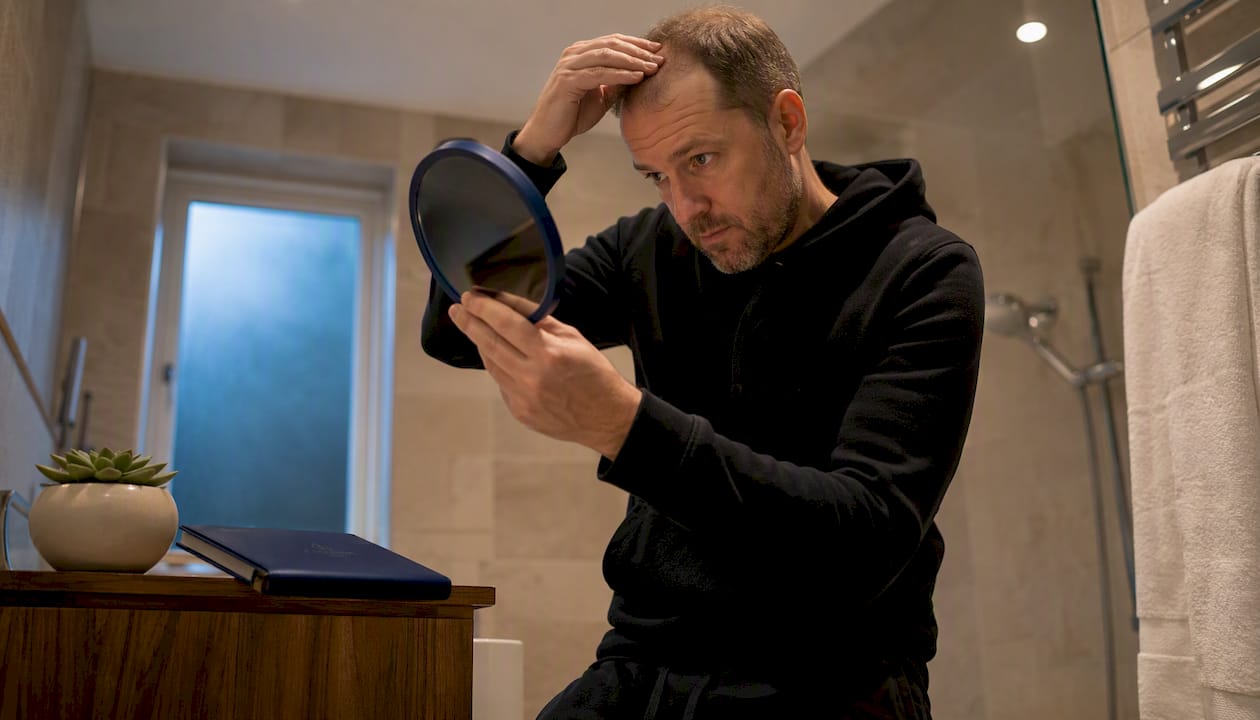
Ask your GP or dermatologist about persistent thinning, redness, scaling, spots or pain. Bring photographs showing the change and describe the styles and treatments you have used. Avoid assuming that every area of hairline loss is caused by styling.
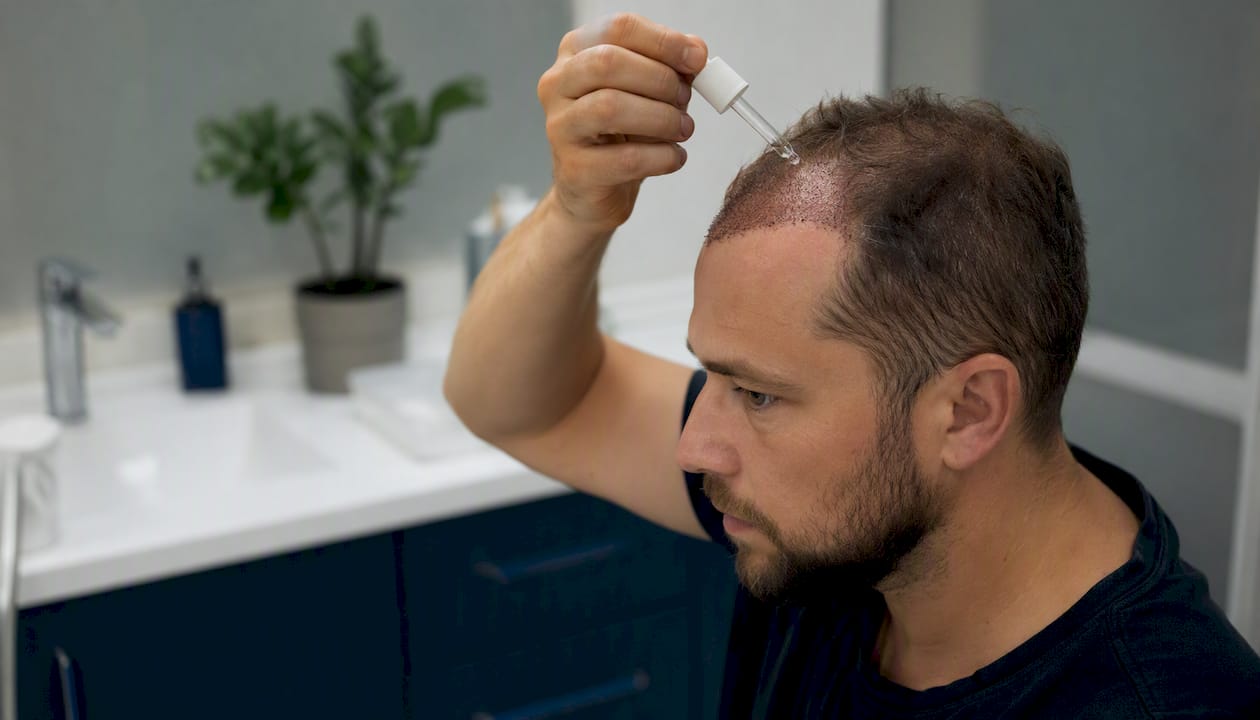
A clinician can discuss whether treatment for inflammation or another cause is needed. Do not apply strong steroid preparations or start hair-growth medicines without suitable advice.
What if the loss is permanent?
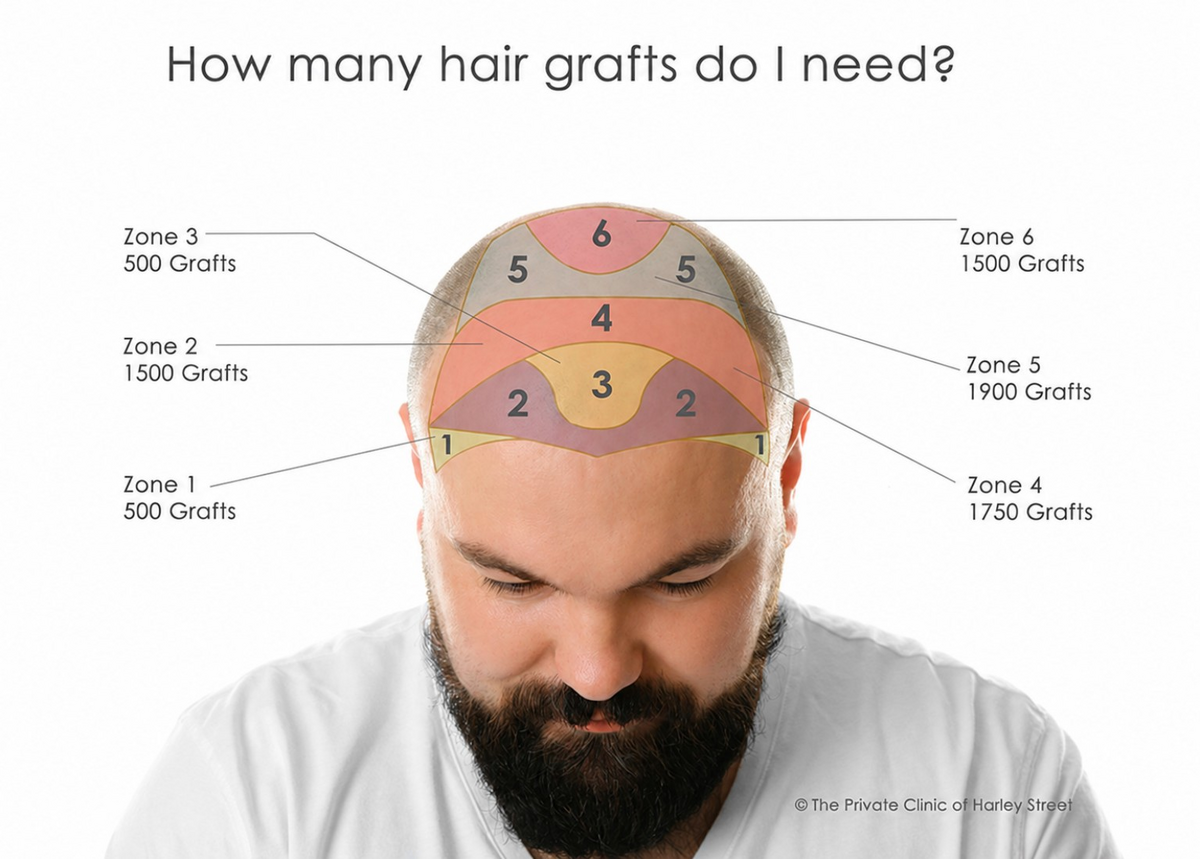
Once the cause has been addressed, a specialist may discuss camouflage, a hairpiece or, in selected stable cases, surgery. A transplant requires an assessment of the skin, the remaining donor hair and the risk of renewed tension.
Our hair-loss advice pages can help you prepare questions, but an examination is needed to establish the diagnosis.
Contact our Belfast team
Consultations are by appointment at Regus, Forsyth House, Cromac Street, Belfast BT2 8LA. Arrange a consultation or call 028 9600 0113. We will confirm the appointment details before you travel.
Questions and answers
Can traction alopecia improve after I change my hairstyle?
Early hair loss caused by tension may improve when the pulling stops. Where follicles have been permanently damaged, regrowth may be limited. The British Association of Dermatologists’ guide to traction alopecia explains why early changes to styling matter.
What should I do if my hairstyle hurts?
Loosen or remove a style that pulls or causes pain. Ask for medical advice if soreness, redness, spots or thinning persist; an examination can help establish whether tension or another condition is responsible.
Can a hair transplant treat traction alopecia?
Surgery may be considered for some stable areas of permanent hair loss after the cause has been addressed. Suitability depends on the scalp, available donor hair and the risk of further damage from tension. A specialist assessment is needed.