Belfast Hair Transplant
Before | After
Case study
3 PRP sessions
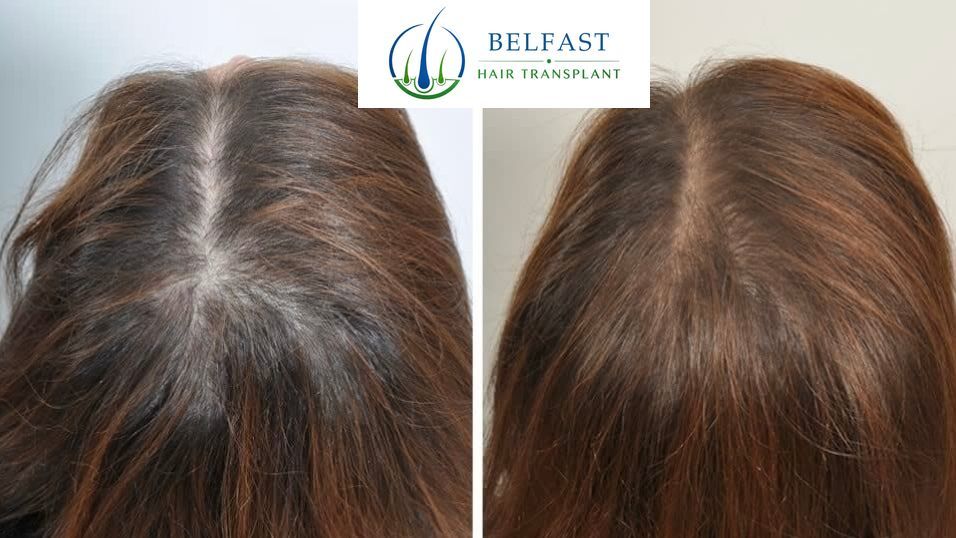

PRP uses a preparation from your own blood for scalp injections. It may help some people with pattern thinning, but the response varies and hair growth is not guaranteed.
Dr Harpreet Kalra assesses the cause and pattern of thinning before discussing whether PRP is suitable.
Book a Free Consultation


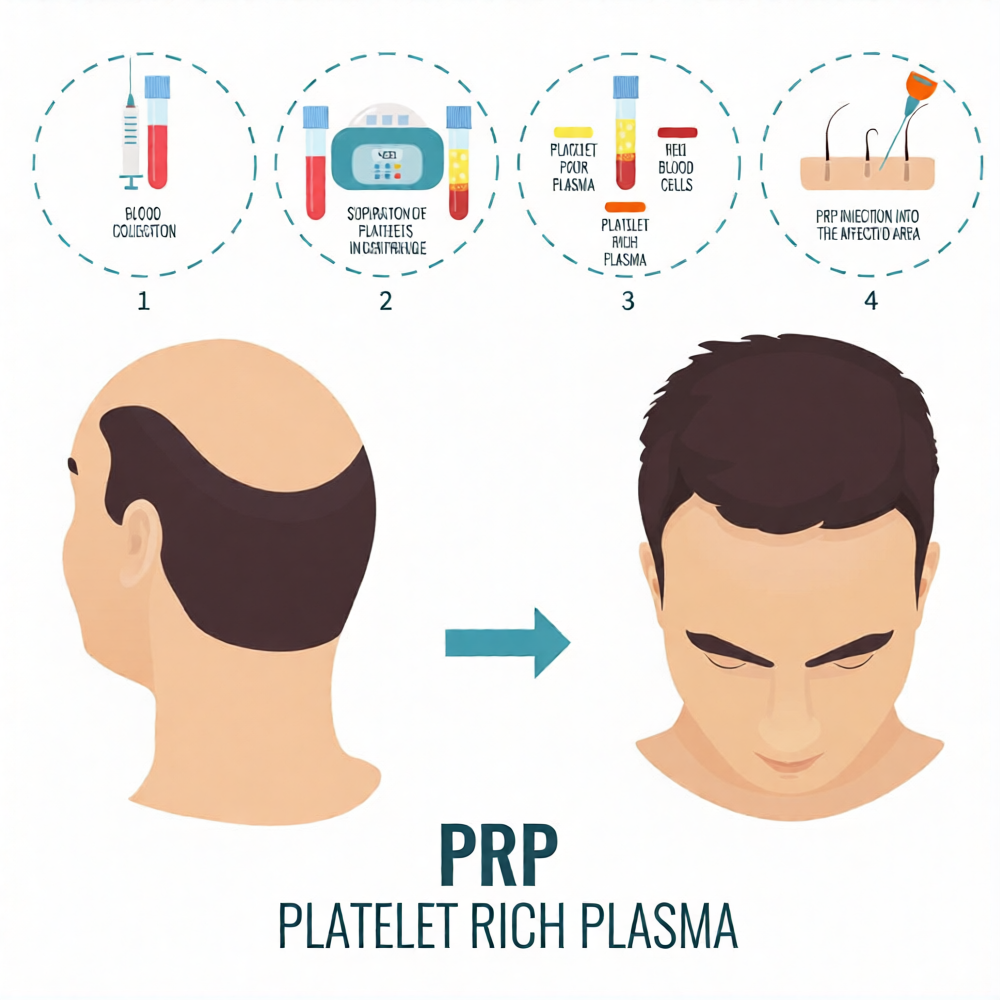
A small blood sample is processed in a centrifuge. The platelet-rich part is collected and injected into the scalp.
PRP is offered for some cases of male and female pattern hair loss. A diagnosis comes first: sudden shedding, bald patches or an inflamed scalp may need a different treatment.
PRP does not involve removing donor hair or making transplant incisions. Scalp injections can still cause discomfort and need appropriate infection precautions.
If you are also considering FUE, DHI or FUT, ask what PRP would add to your plan and whether the extra cost is justified.
Case study
3 PRP sessions
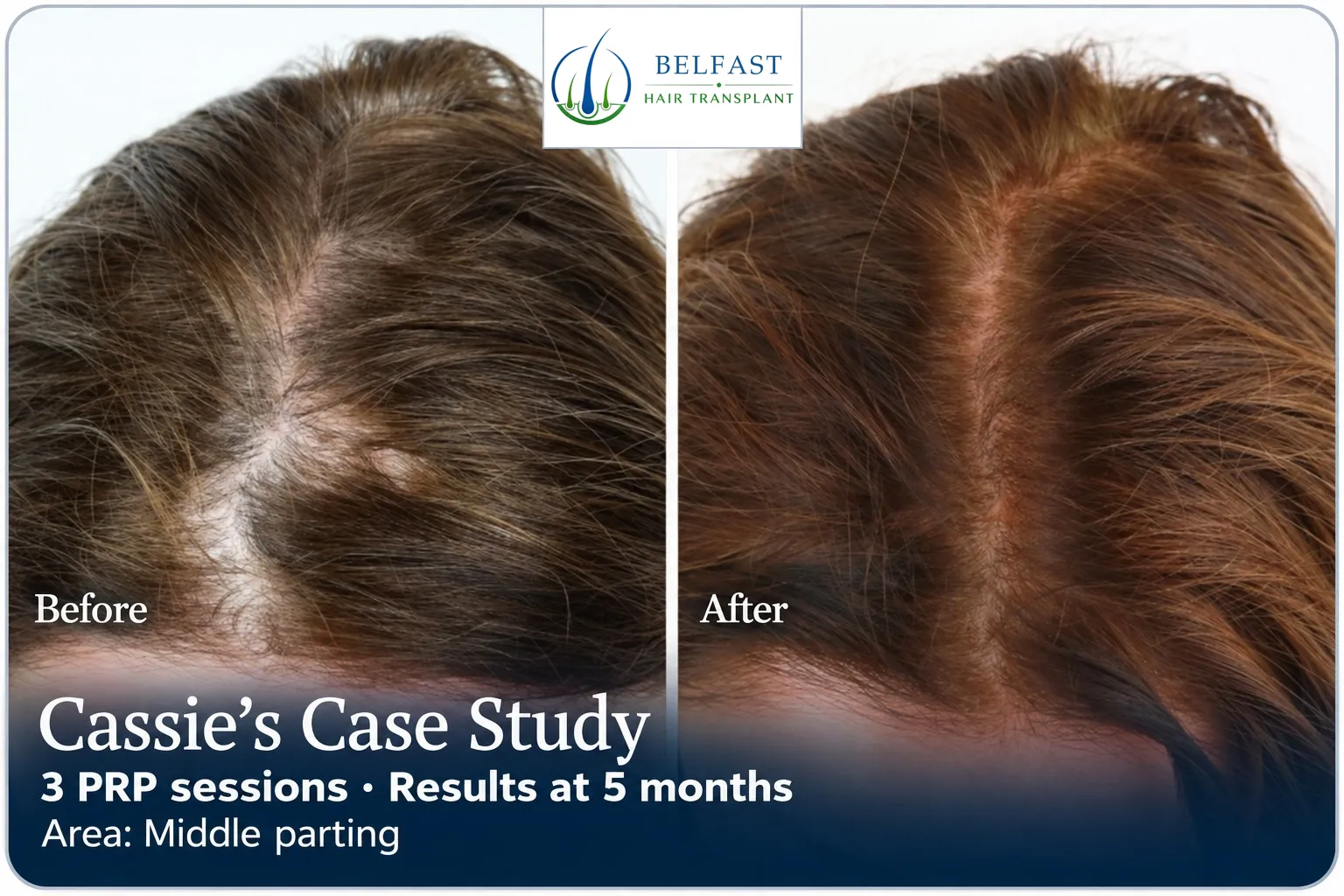
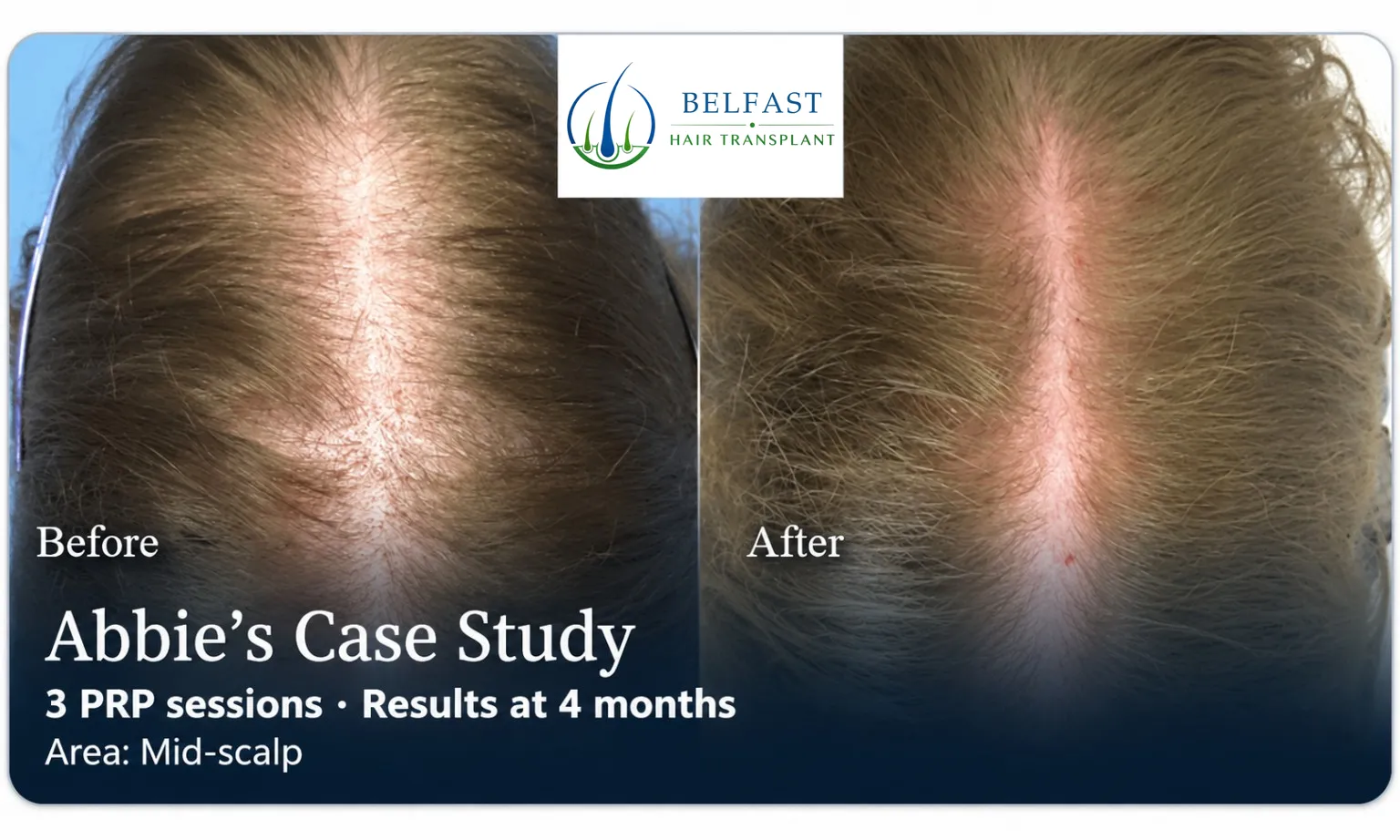
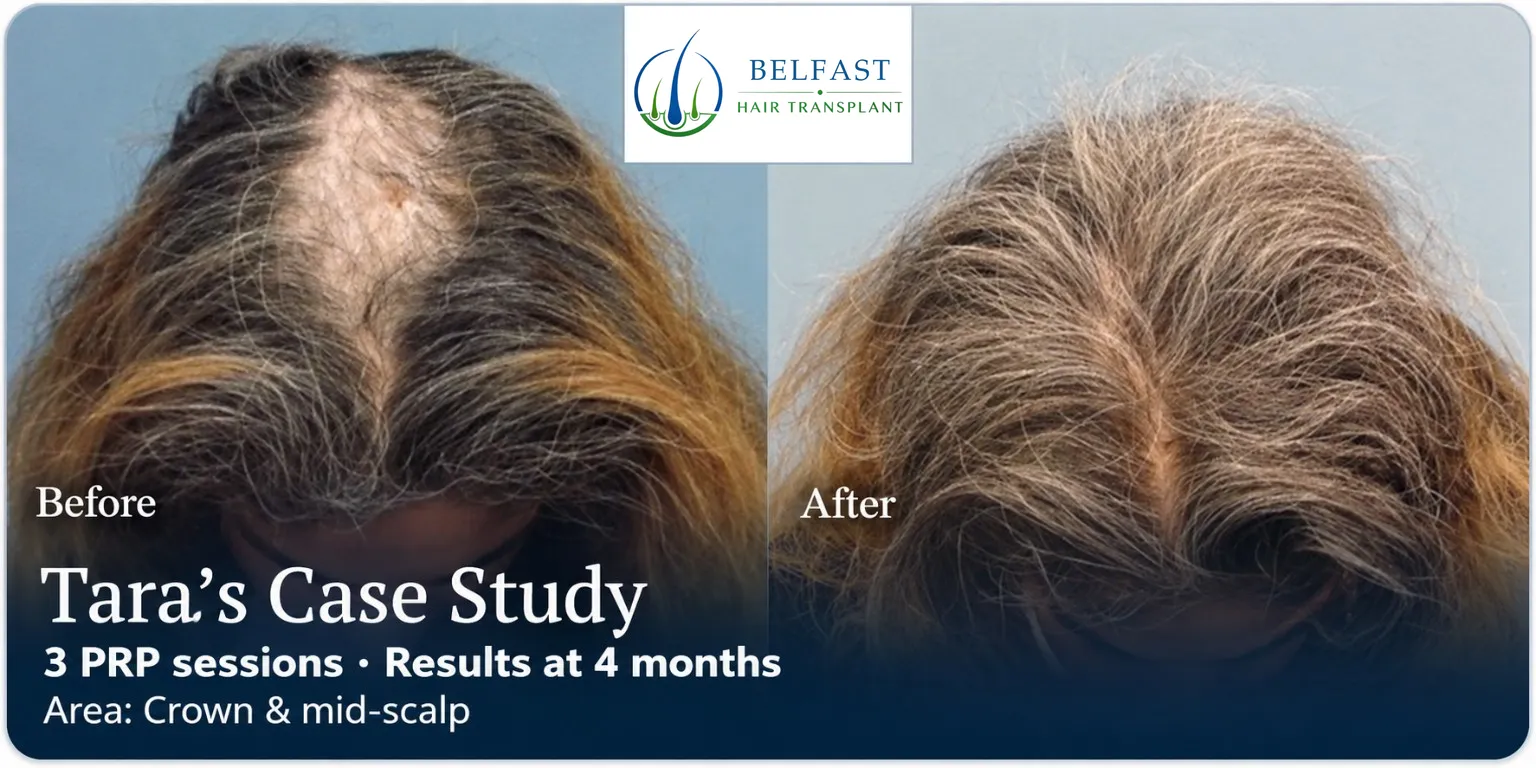
The clinician takes a blood sample, prepares the plasma and injects it into the agreed treatment area. Ask who will carry out the procedure and what sterile equipment will be used.
Different preparation systems produce different concentrations. A higher platelet count alone does not establish that a treatment will give better hair growth.
Suitability depends on the diagnosis, scalp condition, medical history and the hair remaining in the area. Discuss any bleeding problems, current medicines or previous reactions before treatment.
PRP cannot replace destroyed hair follicles. Surgery is also unsuitable for some causes of hair loss, so a bald area does not automatically mean that a transplant is the next step.
Case study
5 PRP sessions
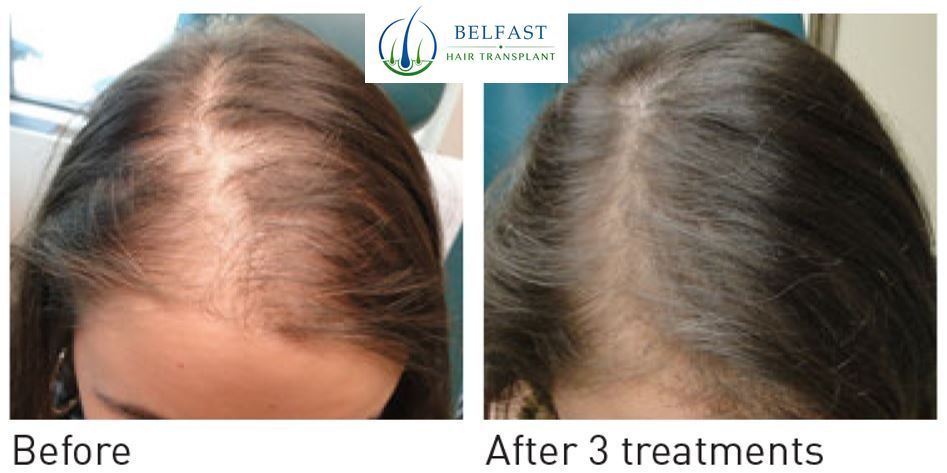
The appointment begins with a review of your health, the treatment area and any changes since your assessment. Progress photographs may be taken with your agreement.
Blood preparation: a sample is taken from your arm and processed. The prepared plasma is collected for injection.
Scalp treatment: the clinician injects the agreed area. Tell them if you feel unwell or need a break.
After treatment: the clinician checks your scalp and explains aftercare. An appointment is usually around 45–90 minutes; confirm how long to allow when booking.
A course may involve several appointments. Ask for the proposed number, spacing, total cost and a review point before starting.
Results should be assessed over time using photographs taken with similar lighting, hair length and positioning. Some patients notice a change; others do not.
Further treatment should depend on your response and a discussion of its likely benefit. Maintenance injections are not a guarantee that thinning will stop.
The advertised package includes blood collection, plasma preparation and scalp injections at three appointments.
Before booking, confirm whether the assessment and follow-up are included, where the injections take place, and the price of any additional sessions.
Book a PRP ConsultationCase study
4 PRP sessions
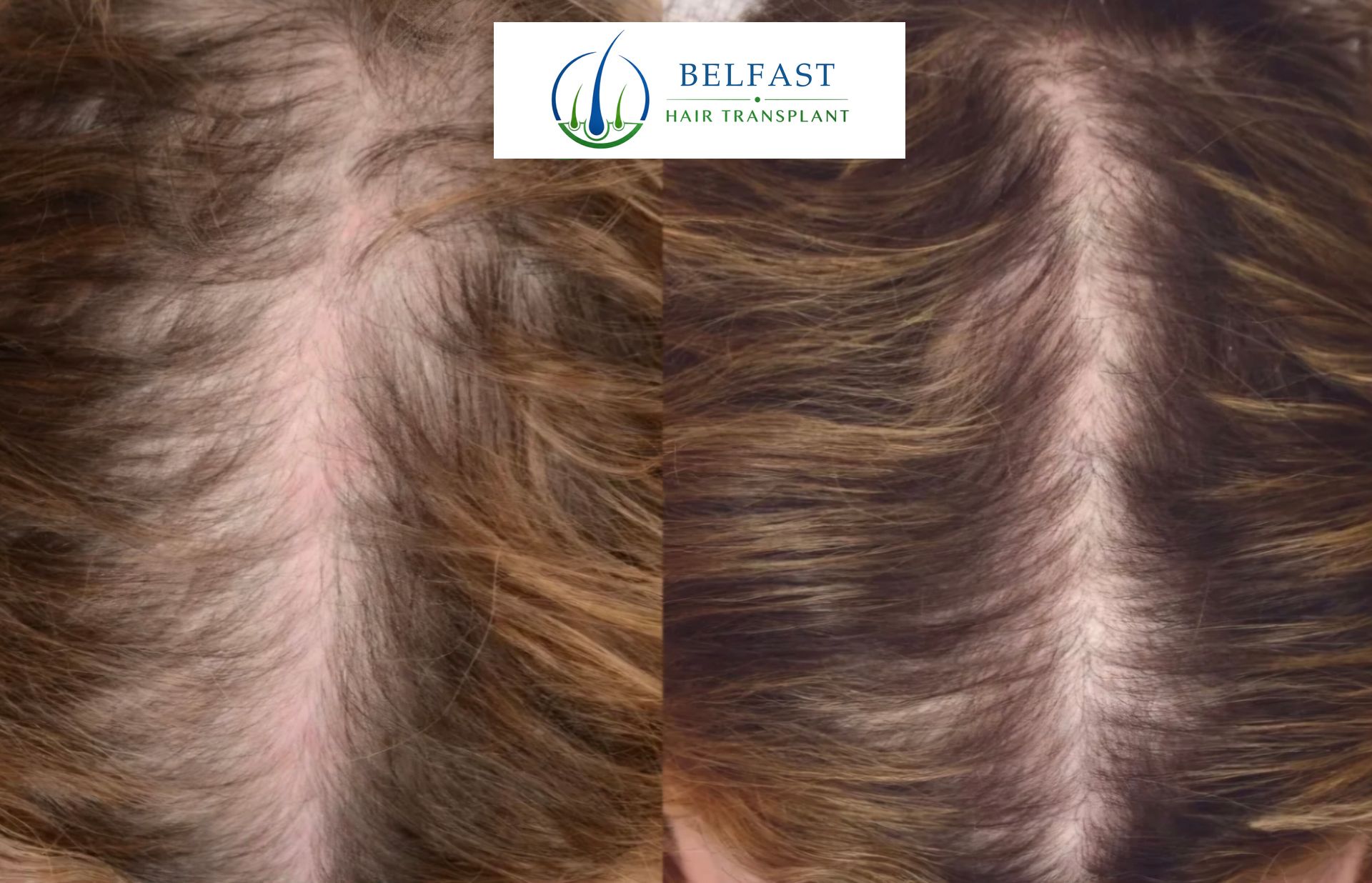
The aim is to improve the appearance of existing thinning hair. PRP does not create a new supply of follicles or cure pattern hair loss.
The British Association of Dermatologists describes research suggesting some benefit, but says the response is unpredictable and more research is needed. Ask how that uncertainty affects the recommendation for you.
You may be able to resume ordinary activities soon after treatment. Your clinician should give instructions for washing, exercise and any products to avoid.
Pain, tenderness, bruising or swelling can occur. Contact the treating clinic if symptoms are severe, worsening or accompanied by signs of infection, such as spreading redness or fever.
Follow your own aftercare instructions. Do not stop prescribed medicines or change their dose to prepare for PRP unless your prescriber tells you to.
PRP is sometimes offered alongside medication or surgery. Each part of a combined plan needs its own explanation of likely benefit, risks and cost.
PRP cannot be relied on to prevent postoperative shedding or guarantee graft survival. Ask your surgeon what evidence supports its use in your particular plan.
Discuss medicines with the prescriber, including side effects and whether they remain suitable. Adding PRP does not remove medication risks. Read our hair-loss medication guide.
Case study
6 PRP sessions
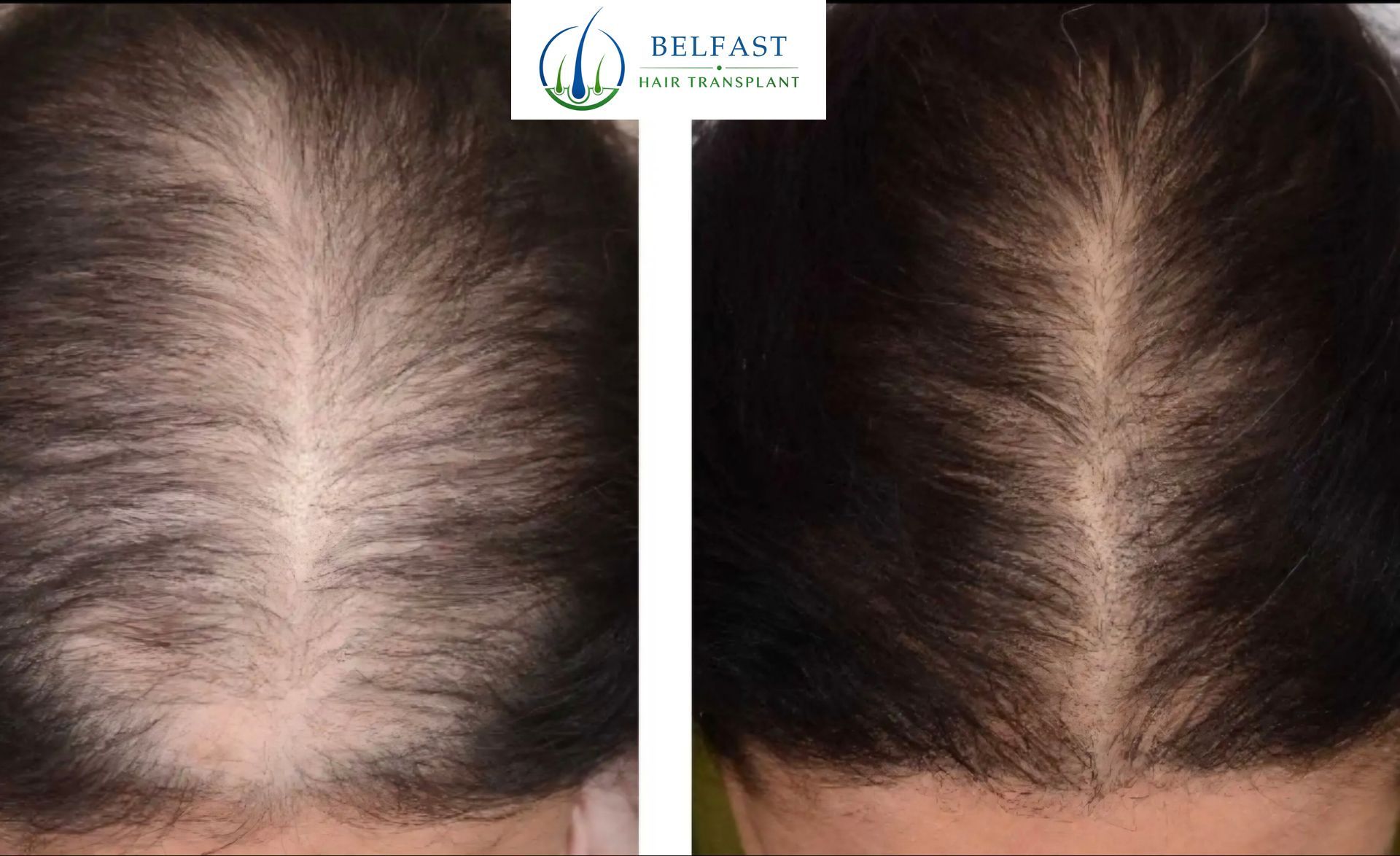
Use the consultation to ask who would perform the injections, where treatment would take place and how the response would be reviewed. Take time to consider the proposed course before committing.
Dr Harpreet Kalra is registered with the General Medical Council under GMC number 7126076 and provides consultation-led hair restoration at Belfast Hair Transplant.
The assessment considers your pattern of thinning, scalp health, medical history and previous treatments.
Consultations are by appointment at Regus, Forsyth House, Cromac Street, Belfast BT2 8LA. The team will confirm the location of any proposed treatment before you book.
Book a Free Consultation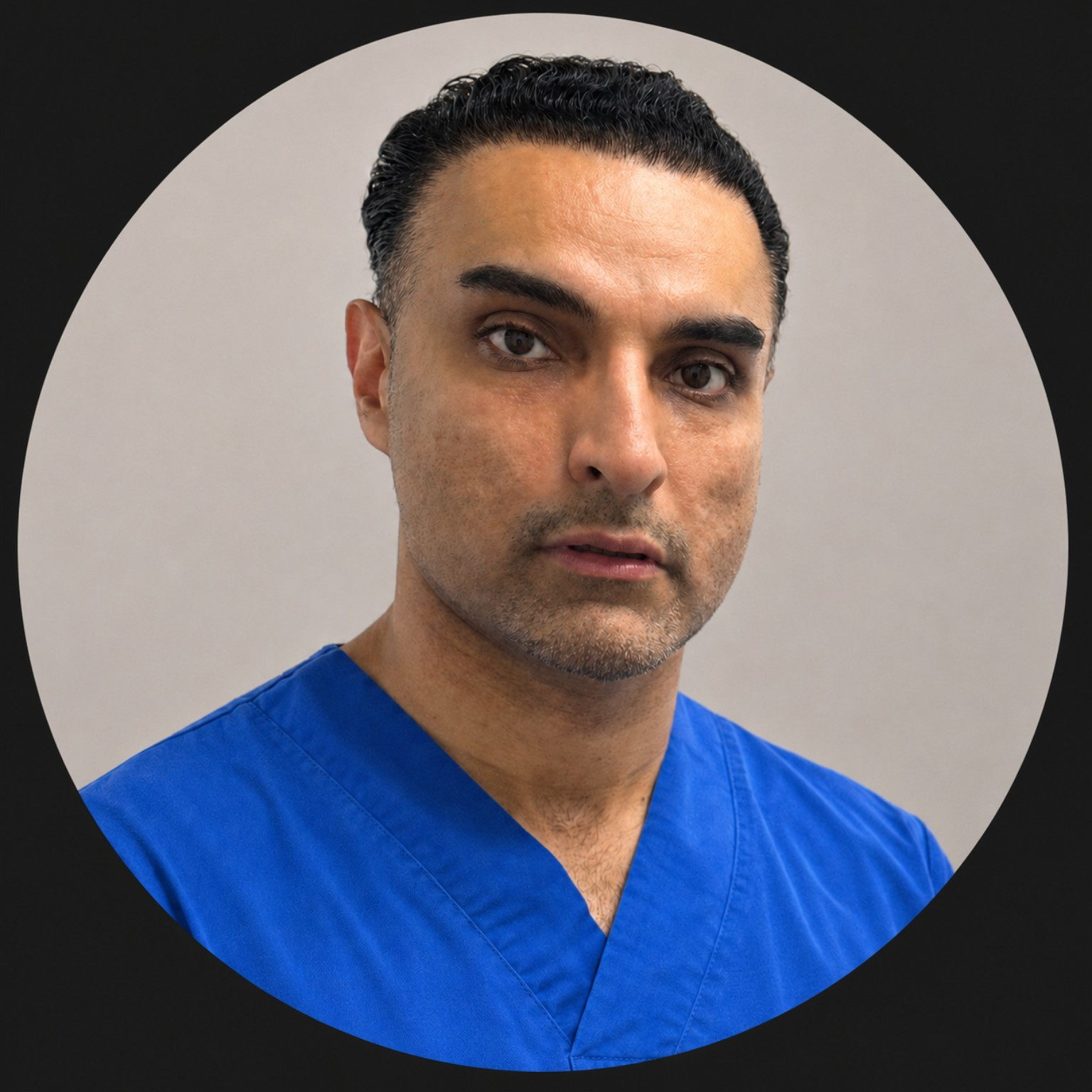
Read what patients have said about their experience at our clinic group.
PRP involves scalp injections prepared from a sample of your own blood. It is offered for some types of thinning hair, with variable results.
The number and spacing should be agreed after assessment. Ask when the response will be reviewed and what any additional appointments would cost.
There is no guaranteed timetable or result. A clinician should explain when to review photographs and whether continuing treatment is worthwhile.
A package of three PRP sessions costs £495 and includes blood collection, centrifuge preparation and targeted scalp injections at each appointment.
PRP may be considered for some women with pattern thinning. Suitability depends on the diagnosis and medical history; it is not appropriate for every cause of female hair loss.
Scalp injections can be uncomfortable and tenderness can follow. Ask what comfort measures are available and which symptoms need medical advice.
It is sometimes offered, but it cannot guarantee better graft survival or prevent shedding. Discuss the evidence, timing and cost with your surgeon.