Hair loss consultation preparation guide: get ready
Dr Harpreet Kalra • July 3, 2026
Hair loss consultation preparation guide: get ready
A hair loss consultation preparation guide is the structured process of gathering your medical history, tracking your shedding patterns, and preparing targeted questions before you meet a clinician. Without this preparation, appointments often stall on basic data collection rather than moving directly to diagnosis and treatment planning. Glasgowhairtransplantclinics recommends treating your consultation as a structured, evidence-based session from the outset. The clinicians you meet are trained to identify systemic causes, not just surface symptoms, so the more organised you arrive, the faster they can help you. This guide gives you a practical framework to walk in confident and informed.
What information should you gather before your hair loss consultation?
The most valuable thing you can bring to a hair loss consultation is a clear, documented record of your shedding history. Clinicians need specific details, not general impressions, to reach an accurate diagnosis quickly.
Start by identifying your hair loss pattern. Is the thinning diffuse across the scalp, patchy in discrete areas, concentrated at the crown, or receding at the temples? Each pattern points to a different underlying cause, and naming it precisely saves significant time during the appointment.
Next, record the timeline. Note when you first noticed the change, how quickly the shedding progressed, and whether any life events coincided with the onset. Hair loss often reflects body changes
from approximately three months prior to visible shedding, so tracking a 6–12 month health timeline is critical for accurate diagnosis. A stressful period at work, a change in diet, or an illness from several months ago may be directly relevant.
Use this checklist to organise your pre-consultation documentation:
Hair loss pattern:
diffuse, patchy, crown, temples, or hairline recession
Timeline:
date of first notice, rate of progression, any periods of improvement
Potential triggers:
stress events, dietary changes, weight loss, illness, or surgery
Medications and supplements:
include dosages and how long you have been taking them
Family history:
note which relatives experienced hair loss and at what age
Previous treatments:
list anything you have already tried, including over-the-counter products
Recent blood test results:
iron/ferritin, vitamin D, B12, and thyroid panels from the past 6–12 months
Bringing recent blood work
for key tests such as iron, vitamin D, thyroid function, and B12 can expedite diagnosis and reduce the need for repeat testing. This single step alone can shift your appointment from data gathering to treatment planning.
Pro Tip:Track your hair loss symptoms for at least two weeks before
your appointment. Daily notes on shedding volume, scalp condition, and any changes give your clinician clear, evidence-based descriptions to work from.
How should you prepare mentally and practically for your appointment?
Knowing what to expect in a hair consultation removes the anxiety that often accompanies the first appointment. A well-run consultation follows a predictable structure: a detailed history, a scalp examination, and a discussion of findings and options.
The history-taking phase is where your preparation pays off most directly. Clinicians prioritise systemic internal triggers
such as hormonal imbalances and nutrient deficiencies rather than only topical symptoms. Answer every question honestly and completely, even if details feel unrelated. A medication you started six months ago or a period of restrictive eating may be the key piece of information your clinician needs.
Prepare a written list of questions before you attend. Spoken consultations move quickly, and it is easy to forget what you wanted to ask. Prioritise questions around treatment options, realistic timelines, expected outcomes, and costs. Having them written down means you leave with answers, not more uncertainty.
Follow these steps to prepare practically for the day:
Avoid heavy styling products
for at least 24 hours before an in-person appointment. Styling products coat the scalp and mask clinical signs, making accurate scalp examination harder.
Remove hair fibres or concealers
the night before. These products obscure the true density and distribution of your hair.
Prepare clear photographs
if attending a telehealth consultation. Take images in natural light from the front, crown, and sides. Consistent lighting and angles allow the clinician to assess your pattern accurately.
Write your questions down
in order of priority so the most pressing concerns are addressed first.
Bring your documentation
in a folder or on your phone: your symptom timeline, medication list, family history notes, and any blood test results.
Pro Tip:A structured consultation approach means your clinician can spend appointment time on examination and treatment planning rather than lengthy data collection. Arriving prepared is the single most effective way to get more from your appointment.
What treatment options might your clinician discuss?
Clinicians typically move through a range of options from non-surgical to surgical, depending on the cause and severity of your hair loss. Understanding these options before your appointment helps you ask better questions and evaluate recommendations clearly.
Non-surgical treatments
Minoxidil is the most widely used topical treatment for androgenetic alopecia. It requires consistent daily application
for 6–9 months before a reliable assessment of hair growth improvement is possible. Patients who stop too early often conclude it does not work, when in fact they have not reached the assessment threshold.
Oral medications such as finasteride are commonly prescribed for male pattern hair loss. These carry potential side effects that your clinician will discuss, and they require long-term commitment to maintain results.
Advanced non-surgical procedures
Platelet Rich Plasma (PRP) therapy involves drawing a small amount of your own blood, processing it to concentrate the growth factors, and injecting it into the scalp. PRP is used to stimulate dormant follicles and is often combined with other treatments. Scalp Micro Pigmentation (SMP) is a non-surgical option that creates the appearance of a closely shaved head or adds density to thinning areas using specialised pigments.
Surgical options
Hair transplant surgery, including Follicular Unit Extraction (DUE) and Direct Hair Implantation (DHI), is appropriate when hair loss has stabilised and sufficient donor hair exists. Glasgowhairtransplantclinics offersDHI hair transplantsalongsideFUEprocedures, with surgeons on the GMC register.Crownhair loss, temple recession, and beard or eyebrow restoration are all areas where surgical intervention produces reliable, natural results.
Evidence-based interventions
such as blood panel testing, clinically proven medications, and regulated procedures produce better outcomes than anecdotal remedies or unproven supplements. Ask your clinician directly what clinical evidence supports any treatment they recommend.
A useful hair loss consultation begins with a timeline, not a sales pitch. The clinician needs to know what changed, when it changed and what was happening with your health, medicines and hair care before the loss became visible.
You do not need to diagnose yourself or arrange every possible blood test. Bring accurate information, arrive with the scalp visible and write down the questions you want answered. The clinician's job is to connect that information with the examination.
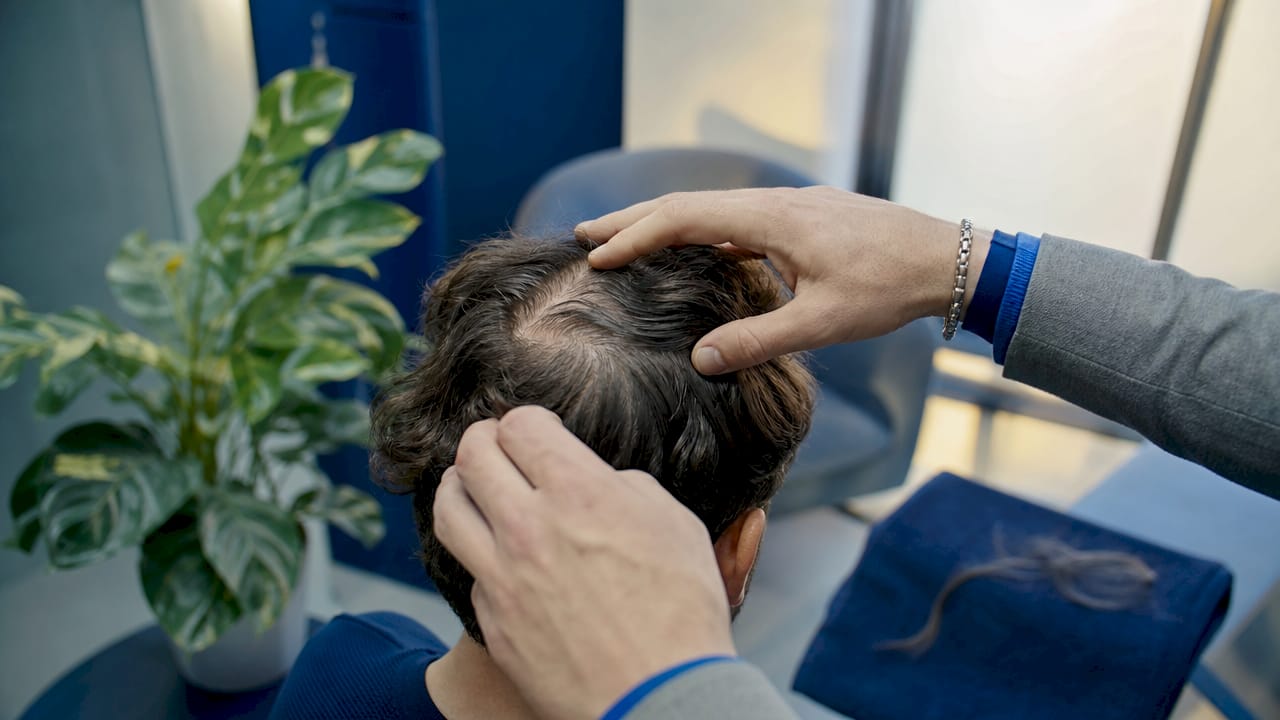
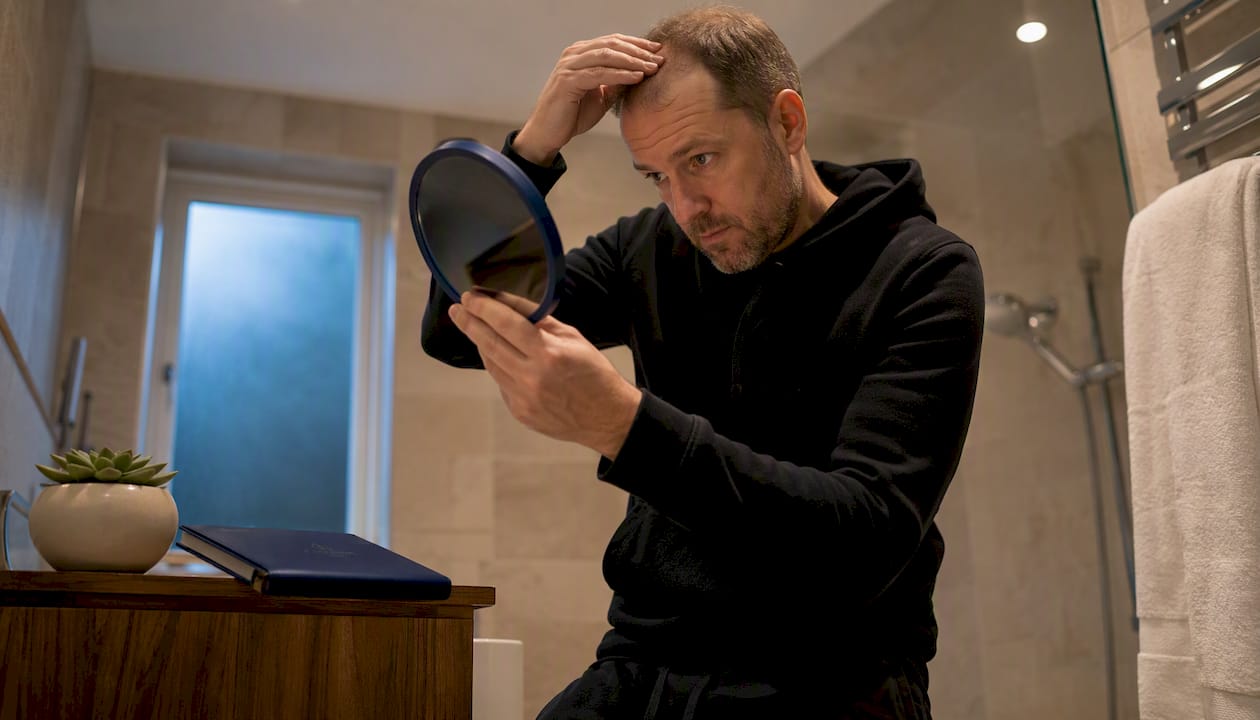
Written dates, medicine names and consistent photographs make the consultation more precise. Photo by SHVETS production via Pexels.
What to bring
A short timeline of when the change began and how it progressed
A complete list of prescription medicines, over-the-counter products and supplements
Relevant diagnoses, operations, recent illness and allergies
Family history of scalp or eyebrow hair loss
Details of major weight change, restrictive dieting or significant stress
Recent blood results you already have
Monthly photographs taken under consistent conditions
Details of previous hair-loss treatments, doses, dates and side effects
Information about chemical processing, extensions or tight hairstyles
A written list of questions
Use exact medicine and supplement names where possible. “A vitamin” is less useful than the product, strength and frequency. If a medicine changed near the time shedding began, record both the start date and the date on which hair loss became noticeable.
Build a six-to-twelve-month timeline
Hair loss can appear weeks or months after a trigger. Record significant illness, surgery, fever, pregnancy, major emotional stress, rapid weight loss, dietary restriction and medicine changes from the preceding year. The event may be unrelated, but leaving it out can hide a useful clue.
Describe the pattern rather than only saying that “a lot” is falling out. Note whether loss is diffuse, patchy, focused at the temples, centred on the crown, widening a parting or affecting brows, beard or body hair. Record itching, burning, pain, scale, redness, pustules or a shiny area of skin.
Do not count every shed hair. Hair length and wash frequency make counts unreliable. A short dated record of wash-day shedding and monthly photographs is usually more practical.
Take photographs that can be compared
Photograph dry hair before applying fibres, concealer or styling product.
Use the same room, lighting and camera distance each month.
Take the front, both temples, top, crown and donor area.
Keep the parting and hairstyle consistent.
Do not use filters, portrait blur or edited contrast.
Older photographs from before the change are useful even when the lighting is imperfect. Bring them alongside, not instead of, a consistent new baseline.
Prepare the hair and scalp for an in-person examination
Follow any instructions given by the clinic. Unless told otherwise, wash normally and attend with dry hair. Avoid heavy oils, fibres, sprays and concealers that cover the scalp or glue hairs together. Do not create soreness by scrubbing aggressively on the morning of the appointment.
Wear the hair in its usual style so the clinician understands what you see day to day, but be prepared to move or part it for examination. If extensions, a hair system or a tightly fixed style cannot be removed, tell the clinic beforehand because the scalp and donor area may not be fully assessable.
What happens during the consultation?
The clinician usually starts with the history, then examines the pattern, scalp skin, hair calibre and areas of breakage or inflammation. Magnification may help identify miniaturisation, variation in shaft diameter, broken hairs, scale and follicle openings.
Blood tests are selected when the history or pattern suggests a medical cause. Iron studies, thyroid function or other tests may be appropriate for some patients, but arranging them without clinical direction can waste time and money. The NHS advises seeing a GP to understand the cause of hair loss before approaching a commercial clinic.
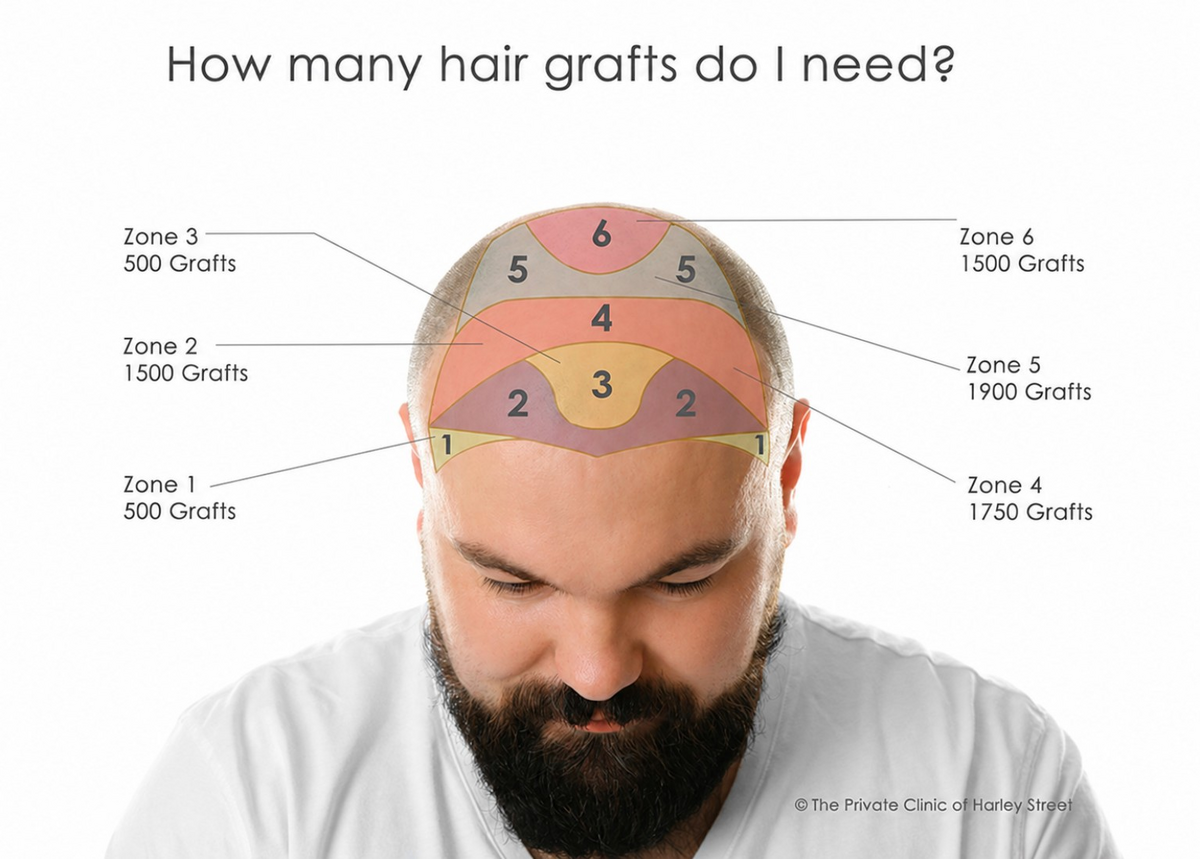
If surgery is being considered, the assessment also covers donor density, hair calibre, scalp laxity where relevant, likely graft requirements and the pattern that future loss may follow. A stage number or photograph alone cannot establish surgical suitability.
Questions worth asking
About the diagnosis
What diagnosis best fits the pattern and history?
Are there signs of inflammation, infection or scarring?
Do I need GP or dermatology review before cosmetic treatment?
Would any targeted tests change the plan?
About treatment
What is the aim: stopping inflammation, reducing shedding, protecting native hair or adding coverage?
What evidence supports the option being recommended?
What side effects, contraindications and monitoring apply?
How long should treatment be used before a fair review?
What happens if I stop?
About surgery
Why is surgery suitable now, and what are the non-surgical alternatives?
Who will perform extraction, recipient-site creation and graft placement?
How was the graft range estimated?
How has future loss and the finite donor supply been allowed for?
What complications, scars, aftercare and follow-up should I expect?
What is included in the written price?
The GMC's cosmetic interventions guidance
requires doctors to discuss outcomes, benefits and risks, obtain consent themselves and give patients time to reflect. A consultation is not informed consent when the risks, alternatives or person performing the procedure remain unclear.
Treatments that may be discussed
Minoxidil and finasteride
Topical minoxidil is available in licensed products for pattern hair loss. Finasteride is prescription-only and licensed for male pattern hair loss. Neither works for everyone, and benefit generally depends on continued use.
Finasteride requires a clear discussion of sexual and psychiatric side effects. The MHRA safety warning
says men taking finasteride 1 mg for hair loss should stop and seek medical advice if depression or suicidal thoughts develop. Anyone at immediate risk should call 999.
PRP and scalp micropigmentation
PRP uses a processed concentration of the patient's own platelets and is offered privately. Evidence and protocols vary, so it should be described as an optional supporting treatment rather than guaranteed regrowth. Scalp micropigmentation creates the visual impression of closely cut hair or reduced contrast; it does not grow hair.
FUE, FUT and DHI
FUE removes individual follicular units. FUT removes a donor strip that is dissected into grafts. DHI generally refers to graft placement with an implanter after donor follicles have been obtained; it is not a separate diagnosis or cure. The clinic's FUE
and DHI
pages explain the terminology.
Surgery may address the hairline, temples, mid-scalp, crown, beard or eyebrows when the diagnosis and donor supply make it appropriate. The clinic's eyebrow-transplant page
explains the additional direction and grooming considerations for brow grafts.
After the appointment
Write down the working diagnosis, proposed treatment, dose or procedure, review date and symptoms that should prompt earlier contact. Ask for written information when a prescription or procedure has material risks.
Continue monthly photographs and take medicines exactly as prescribed. Do not add several new products at the same time; it becomes difficult to identify which caused benefit or irritation. Seek prompt medical advice for sudden new patches, scalp pain, marked redness, burning, pustules or rapidly increasing loss.
If surgery is proposed, use the reflection period. Check the surgeon on the GMC medical register
and the Scottish clinic on the Healthcare Improvement Scotland register. Compare the written plan with the clinic's preparation and aftercare guide
before committing.
Consultations with Dr Harpreet Kalra
Dr Harpreet Kalra's consultation begins with the diagnosis, pattern and likely progression before a transplant is discussed. For surgical planning, he assesses the recipient area alongside donor density and the amount of hair that may need to be reserved for future loss.
Online consultation is useful for an initial history and photographic review, but some findings and donor measurements require an in-person examination. You can request a consultation
and bring the checklist above.
This guide is general preparation information. Follow the instructions of the clinician or clinic arranging your appointment.
About the author
Dr Harpreet Kalra
is a GP and hair-transplant surgeon at Glasgow Hair Transplant Clinics. His consultations examine the diagnosis, donor area and likely future pattern before treatment is planned.
How should you monitor progress after your consultation?
Tracking your response to treatment is as important as the consultation itself. Without consistent monitoring, it is difficult to know whether a treatment is working or whether you need to return for reassessment.
Keep a symptom journal
from the day you start treatment. Note shedding volume, scalp condition, and any side effects on a weekly basis.
Take standardised photographs
every four weeks in the same lighting, from the same angles. Visual records are far more reliable than memory when assessing gradual change.
Allow sufficient time
before drawing conclusions. Most treatments require months to show measurable results, and stopping early is the most common reason for perceived failure.
Return promptly
if you experience sudden patchy loss, scalp pain, redness, or burning. These symptoms warrant early follow-up rather than waiting for a scheduled review.
Communicate side effects clearly.
If you experience unexpected changes after starting a medication or procedure, contact your clinician with specific details: what changed, when it started, and how severe it is.
The two-week baseline tracking period recommended before your consultation should continue as an ongoing habit throughout treatment. Consistent records give your clinician the data they need to adjust your plan at each review.
Key takeaways
Thorough preparation before a hair loss consultation directly improves diagnosis accuracy, reduces appointment time on data collection, and leads to faster, more personalised treatment planning.
Point
Details
Document your hair loss history
Record pattern, timeline, triggers, and family history before attending.
Bring relevant blood test results
Iron, vitamin D, B12, and thyroid panels from the past 6–12 months save time.
Prepare your questions in writing
List treatment, timeline, and outcome questions so nothing is missed.
Avoid styling products beforehand
Clear scalp access allows accurate clinical examination.
Track progress consistently
Weekly journals and monthly photographs give clinicians reliable data at reviews.
What I have learned from watching patients prepare (and not prepare)
The difference between a productive consultation and a frustrating one almost always comes down to preparation. Patients who arrive with a written timeline, a medication list, and a clear description of their pattern typically leave with a diagnosis and a treatment plan. Those who arrive with a vague sense that “it started a while ago” often spend the entire appointment on history-taking, with little time left for anything else.
The part most people overlook is the 6–12 month health timeline. Hair loss reflects what was happening in your body months before the shedding became visible. A significant illness, a period of poor nutrition, or a hormonal shift from several months ago may be the actual cause. If you do not record those events, your clinician cannot connect them to your current presentation.
The other common pitfall is arriving with unrealistic expectations shaped by anecdotal remedies or unverified online claims. Evidence-based medical approaches consistently outperform unproven supplements. Walk in knowing that your clinician will recommend treatments with clinical evidence behind them, and be prepared to commit to the timelines those treatments require.
Preparation is not about doing the clinician’s job for them. It is about giving them the raw material they need to do their job well. The more complete your information, the more personalised and effective your care will be.
— Harley
Glasgowhairtransplantclinics: expert consultations across the UK
Glasgowhairtransplantclinics offers free online and face-to-face consultations at clinics across Glasgow, Newcastle, and other UK locations. Every consultation is conducted by GMC-registered surgeons within CQC and HIS registered facilities, giving you confidence that your assessment meets the highest clinical standards.
Whether you are exploring non-surgical options such as PRP therapy and SMP, or considering a hair transplant procedure, the team builds a personalised care plan based on your specific pattern, history, and goals. Detailed pre and post-transplant guidance
is available on the website to support you at every stage. Book your free consultation today and arrive prepared to make the most of it.
FAQ
What should I bring to a hair loss consultation?
Bring a written timeline of your hair loss, a list of current medications and supplements, relevant family history, and any blood test results from the past 6–12 months. Organised documentation allows your clinician to focus on examination and treatment planning rather than basic data collection.
How long before my appointment should I stop using styling products?
Avoid heavy styling products and hair fibres for at least 24 hours before an in-person scalp examination. These products coat the scalp and obscure fine hairs, making accurate clinical assessment more difficult.
How long does minoxidil take to show results?
Minoxidil requires consistent daily application for a minimum of 6–9 months before a reliable assessment of hair growth improvement is possible. Stopping earlier than this does not give the treatment sufficient time to work.
What questions should I ask during a hair loss consultation?
Ask about the likely cause of your hair loss, which treatments have clinical evidence behind them, realistic timelines for results, potential side effects, and whether surgical options such as FUE or DHI are appropriate for your pattern and donor hair availability.
When should I seek a follow-up appointment after starting treatment?
Return promptly if you experience sudden patchy loss, scalp pain, redness, or burning at any point during treatment. For routine monitoring, most clinicians recommend a review after 3–6 months to assess response and adjust the treatment plan if needed.
Hair loss consultation preparation guide: get ready
A hair loss consultation preparation guide is the structured process of gathering your medical history, tracking your shedding patterns, and preparing targeted questions before you meet a clinician. Without this preparation, appointments often stall on basic data collection rather than moving directly to diagnosis and treatment planning. Glasgowhairtransplantclinics recommends treating your consultation as a structured, evidence-based session from the outset. The clinicians you meet are trained to identify systemic causes, not just surface symptoms, so the more organised you arrive, the faster they can help you. This guide gives you a practical framework to walk in confident and informed.
What information should you gather before your hair loss consultation?
The most valuable thing you can bring to a hair loss consultation is a clear, documented record of your shedding history. Clinicians need specific details, not general impressions, to reach an accurate diagnosis quickly.
Start by identifying your hair loss pattern. Is the thinning diffuse across the scalp, patchy in discrete areas, concentrated at the crown, or receding at the temples? Each pattern points to a different underlying cause, and naming it precisely saves significant time during the appointment.
Next, record the timeline. Note when you first noticed the change, how quickly the shedding progressed, and whether any life events coincided with the onset. Hair loss often reflects body changes
from approximately three months prior to visible shedding, so tracking a 6–12 month health timeline is critical for accurate diagnosis. A stressful period at work, a change in diet, or an illness from several months ago may be directly relevant.
Use this checklist to organise your pre-consultation documentation:
Hair loss pattern:
diffuse, patchy, crown, temples, or hairline recession
Timeline:
date of first notice, rate of progression, any periods of improvement
Potential triggers:
stress events, dietary changes, weight loss, illness, or surgery
Medications and supplements:
include dosages and how long you have been taking them
Family history:
note which relatives experienced hair loss and at what age
Previous treatments:
list anything you have already tried, including over-the-counter products
Recent blood test results:
iron/ferritin, vitamin D, B12, and thyroid panels from the past 6–12 months
Bringing recent blood work
for key tests such as iron, vitamin D, thyroid function, and B12 can expedite diagnosis and reduce the need for repeat testing. This single step alone can shift your appointment from data gathering to treatment planning.
Pro Tip:Track your hair loss symptoms for at least two weeks before
your appointment. Daily notes on shedding volume, scalp condition, and any changes give your clinician clear, evidence-based descriptions to work from.
How should you prepare mentally and practically for your appointment?
Knowing what to expect in a hair consultation removes the anxiety that often accompanies the first appointment. A well-run consultation follows a predictable structure: a detailed history, a scalp examination, and a discussion of findings and options.
The history-taking phase is where your preparation pays off most directly. Clinicians prioritise systemic internal triggers
such as hormonal imbalances and nutrient deficiencies rather than only topical symptoms. Answer every question honestly and completely, even if details feel unrelated. A medication you started six months ago or a period of restrictive eating may be the key piece of information your clinician needs.
Prepare a written list of questions before you attend. Spoken consultations move quickly, and it is easy to forget what you wanted to ask. Prioritise questions around treatment options, realistic timelines, expected outcomes, and costs. Having them written down means you leave with answers, not more uncertainty.
Follow these steps to prepare practically for the day:
Avoid heavy styling products
for at least 24 hours before an in-person appointment. Styling products coat the scalp and mask clinical signs, making accurate scalp examination harder.
Remove hair fibres or concealers
the night before. These products obscure the true density and distribution of your hair.
Prepare clear photographs
if attending a telehealth consultation. Take images in natural light from the front, crown, and sides. Consistent lighting and angles allow the clinician to assess your pattern accurately.
Write your questions down
in order of priority so the most pressing concerns are addressed first.
Bring your documentation
in a folder or on your phone: your symptom timeline, medication list, family history notes, and any blood test results.
Pro Tip:A structured consultation approach means your clinician can spend appointment time on examination and treatment planning rather than lengthy data collection. Arriving prepared is the single most effective way to get more from your appointment.
What treatment options might your clinician discuss?
Clinicians typically move through a range of options from non-surgical to surgical, depending on the cause and severity of your hair loss. Understanding these options before your appointment helps you ask better questions and evaluate recommendations clearly.
Non-surgical treatments
Minoxidil is the most widely used topical treatment for androgenetic alopecia. It requires consistent daily application
for 6–9 months before a reliable assessment of hair growth improvement is possible. Patients who stop too early often conclude it does not work, when in fact they have not reached the assessment threshold.
Oral medications such as finasteride are commonly prescribed for male pattern hair loss. These carry potential side effects that your clinician will discuss, and they require long-term commitment to maintain results.
Advanced non-surgical procedures
Platelet Rich Plasma (PRP) therapy involves drawing a small amount of your own blood, processing it to concentrate the growth factors, and injecting it into the scalp. PRP is used to stimulate dormant follicles and is often combined with other treatments. Scalp Micro Pigmentation (SMP) is a non-surgical option that creates the appearance of a closely shaved head or adds density to thinning areas using specialised pigments.
Surgical options
Hair transplant surgery, including Follicular Unit Extraction (DUE) and Direct Hair Implantation (DHI), is appropriate when hair loss has stabilised and sufficient donor hair exists. Glasgowhairtransplantclinics offersDHI hair transplantsalongsideFUEprocedures, with surgeons on the GMC register.Crownhair loss, temple recession, and beard or eyebrow restoration are all areas where surgical intervention produces reliable, natural results.
Evidence-based interventions
such as blood panel testing, clinically proven medications, and regulated procedures produce better outcomes than anecdotal remedies or unproven supplements. Ask your clinician directly what clinical evidence supports any treatment they recommend.
A useful hair loss consultation begins with a timeline, not a sales pitch. The clinician needs to know what changed, when it changed and what was happening with your health, medicines and hair care before the loss became visible.
You do not need to diagnose yourself or arrange every possible blood test. Bring accurate information, arrive with the scalp visible and write down the questions you want answered. The clinician's job is to connect that information with the examination.
Written dates, medicine names and consistent photographs make the consultation more precise. Photo by SHVETS production via Pexels.
What to bring
A short timeline of when the change began and how it progressed
A complete list of prescription medicines, over-the-counter products and supplements
Relevant diagnoses, operations, recent illness and allergies
Family history of scalp or eyebrow hair loss
Details of major weight change, restrictive dieting or significant stress
Recent blood results you already have
Monthly photographs taken under consistent conditions
Details of previous hair-loss treatments, doses, dates and side effects
Information about chemical processing, extensions or tight hairstyles
A written list of questions
Use exact medicine and supplement names where possible. “A vitamin” is less useful than the product, strength and frequency. If a medicine changed near the time shedding began, record both the start date and the date on which hair loss became noticeable.
Build a six-to-twelve-month timeline
Hair loss can appear weeks or months after a trigger. Record significant illness, surgery, fever, pregnancy, major emotional stress, rapid weight loss, dietary restriction and medicine changes from the preceding year. The event may be unrelated, but leaving it out can hide a useful clue.
Describe the pattern rather than only saying that “a lot” is falling out. Note whether loss is diffuse, patchy, focused at the temples, centred on the crown, widening a parting or affecting brows, beard or body hair. Record itching, burning, pain, scale, redness, pustules or a shiny area of skin.
Do not count every shed hair. Hair length and wash frequency make counts unreliable. A short dated record of wash-day shedding and monthly photographs is usually more practical.
Take photographs that can be compared
Photograph dry hair before applying fibres, concealer or styling product.
Use the same room, lighting and camera distance each month.
Take the front, both temples, top, crown and donor area.
Keep the parting and hairstyle consistent.
Do not use filters, portrait blur or edited contrast.
Older photographs from before the change are useful even when the lighting is imperfect. Bring them alongside, not instead of, a consistent new baseline.
Prepare the hair and scalp for an in-person examination
Follow any instructions given by the clinic. Unless told otherwise, wash normally and attend with dry hair. Avoid heavy oils, fibres, sprays and concealers that cover the scalp or glue hairs together. Do not create soreness by scrubbing aggressively on the morning of the appointment.
Wear the hair in its usual style so the clinician understands what you see day to day, but be prepared to move or part it for examination. If extensions, a hair system or a tightly fixed style cannot be removed, tell the clinic beforehand because the scalp and donor area may not be fully assessable.
What happens during the consultation?
The clinician usually starts with the history, then examines the pattern, scalp skin, hair calibre and areas of breakage or inflammation. Magnification may help identify miniaturisation, variation in shaft diameter, broken hairs, scale and follicle openings.
Blood tests are selected when the history or pattern suggests a medical cause. Iron studies, thyroid function or other tests may be appropriate for some patients, but arranging them without clinical direction can waste time and money. The NHS advises seeing a GP to understand the cause of hair loss before approaching a commercial clinic.
If surgery is being considered, the assessment also covers donor density, hair calibre, scalp laxity where relevant, likely graft requirements and the pattern that future loss may follow. A stage number or photograph alone cannot establish surgical suitability.
Questions worth asking
About the diagnosis
What diagnosis best fits the pattern and history?
Are there signs of inflammation, infection or scarring?
Do I need GP or dermatology review before cosmetic treatment?
Would any targeted tests change the plan?
About treatment
What is the aim: stopping inflammation, reducing shedding, protecting native hair or adding coverage?
What evidence supports the option being recommended?
What side effects, contraindications and monitoring apply?
How long should treatment be used before a fair review?
What happens if I stop?
About surgery
Why is surgery suitable now, and what are the non-surgical alternatives?
Who will perform extraction, recipient-site creation and graft placement?
How was the graft range estimated?
How has future loss and the finite donor supply been allowed for?
What complications, scars, aftercare and follow-up should I expect?
What is included in the written price?
The GMC's cosmetic interventions guidance
requires doctors to discuss outcomes, benefits and risks, obtain consent themselves and give patients time to reflect. A consultation is not informed consent when the risks, alternatives or person performing the procedure remain unclear.
Treatments that may be discussed
Minoxidil and finasteride
Topical minoxidil is available in licensed products for pattern hair loss. Finasteride is prescription-only and licensed for male pattern hair loss. Neither works for everyone, and benefit generally depends on continued use.
Finasteride requires a clear discussion of sexual and psychiatric side effects. The MHRA safety warning
says men taking finasteride 1 mg for hair loss should stop and seek medical advice if depression or suicidal thoughts develop. Anyone at immediate risk should call 999.
PRP and scalp micropigmentation
PRP uses a processed concentration of the patient's own platelets and is offered privately. Evidence and protocols vary, so it should be described as an optional supporting treatment rather than guaranteed regrowth. Scalp micropigmentation creates the visual impression of closely cut hair or reduced contrast; it does not grow hair.
FUE, FUT and DHI
FUE removes individual follicular units. FUT removes a donor strip that is dissected into grafts. DHI generally refers to graft placement with an implanter after donor follicles have been obtained; it is not a separate diagnosis or cure. The clinic's FUE
and DHI
pages explain the terminology.
Surgery may address the hairline, temples, mid-scalp, crown, beard or eyebrows when the diagnosis and donor supply make it appropriate. The clinic's eyebrow-transplant page
explains the additional direction and grooming considerations for brow grafts.
After the appointment
Write down the working diagnosis, proposed treatment, dose or procedure, review date and symptoms that should prompt earlier contact. Ask for written information when a prescription or procedure has material risks.
Continue monthly photographs and take medicines exactly as prescribed. Do not add several new products at the same time; it becomes difficult to identify which caused benefit or irritation. Seek prompt medical advice for sudden new patches, scalp pain, marked redness, burning, pustules or rapidly increasing loss.
If surgery is proposed, use the reflection period. Check the surgeon on the GMC medical register
and the Scottish clinic on the Healthcare Improvement Scotland register. Compare the written plan with the clinic's preparation and aftercare guide
before committing.
Consultations with Dr Harpreet Kalra
Dr Harpreet Kalra's consultation begins with the diagnosis, pattern and likely progression before a transplant is discussed. For surgical planning, he assesses the recipient area alongside donor density and the amount of hair that may need to be reserved for future loss.
Online consultation is useful for an initial history and photographic review, but some findings and donor measurements require an in-person examination. You can request a consultation
and bring the checklist above.
This guide is general preparation information. Follow the instructions of the clinician or clinic arranging your appointment.
About the author
Dr Harpreet Kalra
is a GP and hair-transplant surgeon at Glasgow Hair Transplant Clinics. His consultations examine the diagnosis, donor area and likely future pattern before treatment is planned.
How should you monitor progress after your consultation?
Tracking your response to treatment is as important as the consultation itself. Without consistent monitoring, it is difficult to know whether a treatment is working or whether you need to return for reassessment.
Keep a symptom journal
from the day you start treatment. Note shedding volume, scalp condition, and any side effects on a weekly basis.
Take standardised photographs
every four weeks in the same lighting, from the same angles. Visual records are far more reliable than memory when assessing gradual change.
Allow sufficient time
before drawing conclusions. Most treatments require months to show measurable results, and stopping early is the most common reason for perceived failure.
Return promptly
if you experience sudden patchy loss, scalp pain, redness, or burning. These symptoms warrant early follow-up rather than waiting for a scheduled review.
Communicate side effects clearly.
If you experience unexpected changes after starting a medication or procedure, contact your clinician with specific details: what changed, when it started, and how severe it is.
The two-week baseline tracking period recommended before your consultation should continue as an ongoing habit throughout treatment. Consistent records give your clinician the data they need to adjust your plan at each review.
Key takeaways
Thorough preparation before a hair loss consultation directly improves diagnosis accuracy, reduces appointment time on data collection, and leads to faster, more personalised treatment planning.
Point
Details
Document your hair loss history
Record pattern, timeline, triggers, and family history before attending.
Bring relevant blood test results
Iron, vitamin D, B12, and thyroid panels from the past 6–12 months save time.
Prepare your questions in writing
List treatment, timeline, and outcome questions so nothing is missed.
Avoid styling products beforehand
Clear scalp access allows accurate clinical examination.
Track progress consistently
Weekly journals and monthly photographs give clinicians reliable data at reviews.
What I have learned from watching patients prepare (and not prepare)
The difference between a productive consultation and a frustrating one almost always comes down to preparation. Patients who arrive with a written timeline, a medication list, and a clear description of their pattern typically leave with a diagnosis and a treatment plan. Those who arrive with a vague sense that “it started a while ago” often spend the entire appointment on history-taking, with little time left for anything else.
The part most people overlook is the 6–12 month health timeline. Hair loss reflects what was happening in your body months before the shedding became visible. A significant illness, a period of poor nutrition, or a hormonal shift from several months ago may be the actual cause. If you do not record those events, your clinician cannot connect them to your current presentation.
The other common pitfall is arriving with unrealistic expectations shaped by anecdotal remedies or unverified online claims. Evidence-based medical approaches consistently outperform unproven supplements. Walk in knowing that your clinician will recommend treatments with clinical evidence behind them, and be prepared to commit to the timelines those treatments require.
Preparation is not about doing the clinician’s job for them. It is about giving them the raw material they need to do their job well. The more complete your information, the more personalised and effective your care will be.
— Harley
Glasgowhairtransplantclinics: expert consultations across the UK
Glasgowhairtransplantclinics offers free online and face-to-face consultations at clinics across Glasgow, Newcastle, and other UK locations. Every consultation is conducted by GMC-registered surgeons within CQC and HIS registered facilities, giving you confidence that your assessment meets the highest clinical standards.
Whether you are exploring non-surgical options such as PRP therapy and SMP, or considering a hair transplant procedure, the team builds a personalised care plan based on your specific pattern, history, and goals. Detailed pre and post-transplant guidance
is available on the website to support you at every stage. Book your free consultation today and arrive prepared to make the most of it.
FAQ
What should I bring to a hair loss consultation?
Bring a written timeline of your hair loss, a list of current medications and supplements, relevant family history, and any blood test results from the past 6–12 months. Organised documentation allows your clinician to focus on examination and treatment planning rather than basic data collection.
How long before my appointment should I stop using styling products?
Avoid heavy styling products and hair fibres for at least 24 hours before an in-person scalp examination. These products coat the scalp and obscure fine hairs, making accurate clinical assessment more difficult.
How long does minoxidil take to show results?
Minoxidil requires consistent daily application for a minimum of 6–9 months before a reliable assessment of hair growth improvement is possible. Stopping earlier than this does not give the treatment sufficient time to work.
What questions should I ask during a hair loss consultation?
Ask about the likely cause of your hair loss, which treatments have clinical evidence behind them, realistic timelines for results, potential side effects, and whether surgical options such as FUE or DHI are appropriate for your pattern and donor hair availability.
When should I seek a follow-up appointment after starting treatment?
Return promptly if you experience sudden patchy loss, scalp pain, redness, or burning at any point during treatment. For routine monitoring, most clinicians recommend a review after 3–6 months to assess response and adjust the treatment plan if needed.
About the author
Dr Harpreet Kalra
is a GP and hair-transplant surgeon at Glasgow Hair Transplant Clinics. His consultations consider the diagnosis, donor area, existing hair and likely future pattern before treatment is discussed.
Prepare for a Glasgow hair-loss consultation
Bring your medical history, medication list and questions so our team can make the consultation as useful as possible.
Hair loss consultation preparation guide: get ready
A hair loss consultation preparation guide is the structured process of gathering your medical history, tracking your shedding patterns, and preparing targeted questions before you meet a clinician. Without this preparation, appointments often stall on basic data collection rather than moving directly to diagnosis and treatment planning. Belfast Hair Transplant recommends treating your consultation as a structured, evidence-based session from the outset. The clinicians you meet are trained to identify systemic causes, not just surface symptoms, so the more organised you arrive, the faster they can help you. This guide gives you a practical framework to walk in confident and informed.
What information should you gather before your hair loss consultation?
The most valuable thing you can bring to a hair loss consultation is a clear, documented record of your shedding history. Clinicians need specific details, not general impressions, to reach an accurate diagnosis quickly.
Start by identifying your hair loss pattern. Is the thinning diffuse across the scalp, patchy in discrete areas, concentrated at the crown, or receding at the temples? Each pattern points to a different underlying cause, and naming it precisely saves significant time during the appointment.
Next, record the timeline. Note when you first noticed the change, how quickly the shedding progressed, and whether any life events coincided with the onset. Hair loss often reflects body changes
from approximately three months prior to visible shedding, so tracking a 6–12 month health timeline is critical for accurate diagnosis. A stressful period at work, a change in diet, or an illness from several months ago may be directly relevant.
Use this checklist to organise your pre-consultation documentation:
Hair loss pattern:
diffuse, patchy, crown, temples, or hairline recession
Timeline:
date of first notice, rate of progression, any periods of improvement
Potential triggers:
stress events, dietary changes, weight loss, illness, or surgery
Medications and supplements:
include dosages and how long you have been taking them
Family history:
note which relatives experienced hair loss and at what age
Previous treatments:
list anything you have already tried, including over-the-counter products
Recent blood test results:
iron/ferritin, vitamin D, B12, and thyroid panels from the past 6–12 months
Bringing recent blood work
for key tests such as iron, vitamin D, thyroid function, and B12 can expedite diagnosis and reduce the need for repeat testing. This single step alone can shift your appointment from data gathering to treatment planning.
Pro Tip:Track your hair loss symptoms for at least two weeks before
your appointment. Daily notes on shedding volume, scalp condition, and any changes give your clinician clear, evidence-based descriptions to work from.
How should you prepare mentally and practically for your appointment?
Knowing what to expect in a hair consultation removes the anxiety that often accompanies the first appointment. A well-run consultation follows a predictable structure: a detailed history, a scalp examination, and a discussion of findings and options.
The history-taking phase is where your preparation pays off most directly. Clinicians prioritise systemic internal triggers
such as hormonal imbalances and nutrient deficiencies rather than only topical symptoms. Answer every question honestly and completely, even if details feel unrelated. A medication you started six months ago or a period of restrictive eating may be the key piece of information your clinician needs.
Prepare a written list of questions before you attend. Spoken consultations move quickly, and it is easy to forget what you wanted to ask. Prioritise questions around treatment options, realistic timelines, expected outcomes, and costs. Having them written down means you leave with answers, not more uncertainty.
Follow these steps to prepare practically for the day:
Avoid heavy styling products
for at least 24 hours before an in-person appointment. Styling products coat the scalp and mask clinical signs, making accurate scalp examination harder.
Remove hair fibres or concealers
the night before. These products obscure the true density and distribution of your hair.
Prepare clear photographs
if attending a telehealth consultation. Take images in natural light from the front, crown, and sides. Consistent lighting and angles allow the clinician to assess your pattern accurately.
Write your questions down
in order of priority so the most pressing concerns are addressed first.
Bring your documentation
in a folder or on your phone: your symptom timeline, medication list, family history notes, and any blood test results.
Pro Tip:A structured consultation approach means your clinician can spend appointment time on examination and treatment planning rather than lengthy data collection. Arriving prepared is the single most effective way to get more from your appointment.
What treatment options might your clinician discuss?
Clinicians typically move through a range of options from non-surgical to surgical, depending on the cause and severity of your hair loss. Understanding these options before your appointment helps you ask better questions and evaluate recommendations clearly.
Non-surgical treatments
Minoxidil is the most widely used topical treatment for androgenetic alopecia. It requires consistent daily application
for 6–9 months before a reliable assessment of hair growth improvement is possible. Patients who stop too early often conclude it does not work, when in fact they have not reached the assessment threshold.
Oral medications such as finasteride are commonly prescribed for male pattern hair loss. These carry potential side effects that your clinician will discuss, and they require long-term commitment to maintain results.
Advanced non-surgical procedures
Platelet Rich Plasma (PRP) therapy involves drawing a small amount of your own blood, processing it to concentrate the growth factors, and injecting it into the scalp. PRP is used to stimulate dormant follicles and is often combined with other treatments. Scalp Micro Pigmentation (SMP) is a non-surgical option that creates the appearance of a closely shaved head or adds density to thinning areas using specialised pigments.
Surgical options
Hair transplant surgery, including Follicular Unit Extraction (DUE) and Direct Hair Implantation (DHI), is appropriate when hair loss has stabilised and sufficient donor hair exists. Belfast Hair Transplant offersDHI hair transplantsalongsideFUEprocedures, with surgeons on the GMC register.Crownhair loss, temple recession, and beard or eyebrow restoration are all areas where surgical intervention produces reliable, natural results.
Evidence-based interventions
such as blood panel testing, clinically proven medications, and regulated procedures produce better outcomes than anecdotal remedies or unproven supplements. Ask your clinician directly what clinical evidence supports any treatment they recommend.
A useful hair loss consultation begins with a timeline, not a sales pitch. The clinician needs to know what changed, when it changed and what was happening with your health, medicines and hair care before the loss became visible.
You do not need to diagnose yourself or arrange every possible blood test. Bring accurate information, arrive with the scalp visible and write down the questions you want answered. The clinician's job is to connect that information with the examination.
Written dates, medicine names and consistent photographs make the consultation more precise. Photo by SHVETS production via Pexels.
What to bring
A short timeline of when the change began and how it progressed
A complete list of prescription medicines, over-the-counter products and supplements
Relevant diagnoses, operations, recent illness and allergies
Family history of scalp or eyebrow hair loss
Details of major weight change, restrictive dieting or significant stress
Recent blood results you already have
Monthly photographs taken under consistent conditions
Details of previous hair-loss treatments, doses, dates and side effects
Information about chemical processing, extensions or tight hairstyles
A written list of questions
Use exact medicine and supplement names where possible. “A vitamin” is less useful than the product, strength and frequency. If a medicine changed near the time shedding began, record both the start date and the date on which hair loss became noticeable.
Build a six-to-twelve-month timeline
Hair loss can appear weeks or months after a trigger. Record significant illness, surgery, fever, pregnancy, major emotional stress, rapid weight loss, dietary restriction and medicine changes from the preceding year. The event may be unrelated, but leaving it out can hide a useful clue.
Describe the pattern rather than only saying that “a lot” is falling out. Note whether loss is diffuse, patchy, focused at the temples, centred on the crown, widening a parting or affecting brows, beard or body hair. Record itching, burning, pain, scale, redness, pustules or a shiny area of skin.
Do not count every shed hair. Hair length and wash frequency make counts unreliable. A short dated record of wash-day shedding and monthly photographs is usually more practical.
Take photographs that can be compared
Photograph dry hair before applying fibres, concealer or styling product.
Use the same room, lighting and camera distance each month.
Take the front, both temples, top, crown and donor area.
Keep the parting and hairstyle consistent.
Do not use filters, portrait blur or edited contrast.
Older photographs from before the change are useful even when the lighting is imperfect. Bring them alongside, not instead of, a consistent new baseline.
Prepare the hair and scalp for an in-person examination
Follow any instructions given by the clinic. Unless told otherwise, wash normally and attend with dry hair. Avoid heavy oils, fibres, sprays and concealers that cover the scalp or glue hairs together. Do not create soreness by scrubbing aggressively on the morning of the appointment.
Wear the hair in its usual style so the clinician understands what you see day to day, but be prepared to move or part it for examination. If extensions, a hair system or a tightly fixed style cannot be removed, tell the clinic beforehand because the scalp and donor area may not be fully assessable.
What happens during the consultation?
The clinician usually starts with the history, then examines the pattern, scalp skin, hair calibre and areas of breakage or inflammation. Magnification may help identify miniaturisation, variation in shaft diameter, broken hairs, scale and follicle openings.
Blood tests are selected when the history or pattern suggests a medical cause. Iron studies, thyroid function or other tests may be appropriate for some patients, but arranging them without clinical direction can waste time and money. The NHS advises seeing a GP to understand the cause of hair loss before approaching a commercial clinic.
If surgery is being considered, the assessment also covers donor density, hair calibre, scalp laxity where relevant, likely graft requirements and the pattern that future loss may follow. A stage number or photograph alone cannot establish surgical suitability.
Questions worth asking
About the diagnosis
What diagnosis best fits the pattern and history?
Are there signs of inflammation, infection or scarring?
Do I need GP or dermatology review before cosmetic treatment?
Would any targeted tests change the plan?
About treatment
What is the aim: stopping inflammation, reducing shedding, protecting native hair or adding coverage?
What evidence supports the option being recommended?
What side effects, contraindications and monitoring apply?
How long should treatment be used before a fair review?
What happens if I stop?
About surgery
Why is surgery suitable now, and what are the non-surgical alternatives?
Who will perform extraction, recipient-site creation and graft placement?
How was the graft range estimated?
How has future loss and the finite donor supply been allowed for?
What complications, scars, aftercare and follow-up should I expect?
What is included in the written price?
The GMC's cosmetic interventions guidance
requires doctors to discuss outcomes, benefits and risks, obtain consent themselves and give patients time to reflect. A consultation is not informed consent when the risks, alternatives or person performing the procedure remain unclear.
Treatments that may be discussed
Minoxidil and finasteride
Topical minoxidil is available in licensed products for pattern hair loss. Finasteride is prescription-only and licensed for male pattern hair loss. Neither works for everyone, and benefit generally depends on continued use.
Finasteride requires a clear discussion of sexual and psychiatric side effects. The MHRA safety warning
says men taking finasteride 1 mg for hair loss should stop and seek medical advice if depression or suicidal thoughts develop. Anyone at immediate risk should call 999.
PRP and scalp micropigmentation
PRP uses a processed concentration of the patient's own platelets and is offered privately. Evidence and protocols vary, so it should be described as an optional supporting treatment rather than guaranteed regrowth. Scalp micropigmentation creates the visual impression of closely cut hair or reduced contrast; it does not grow hair.
FUE, FUT and DHI
FUE removes individual follicular units. FUT removes a donor strip that is dissected into grafts. DHI generally refers to graft placement with an implanter after donor follicles have been obtained; it is not a separate diagnosis or cure. The clinic's FUE
and DHI
pages explain the terminology.
Surgery may address the hairline, temples, mid-scalp, crown, beard or eyebrows when the diagnosis and donor supply make it appropriate. The clinic's eyebrow-transplant page
explains the additional direction and grooming considerations for brow grafts.
After the appointment
Write down the working diagnosis, proposed treatment, dose or procedure, review date and symptoms that should prompt earlier contact. Ask for written information when a prescription or procedure has material risks.
Continue monthly photographs and take medicines exactly as prescribed. Do not add several new products at the same time; it becomes difficult to identify which caused benefit or irritation. Seek prompt medical advice for sudden new patches, scalp pain, marked redness, burning, pustules or rapidly increasing loss.
If surgery is proposed, use the reflection period. Check the surgeon on the GMC medical register
and the Scottish clinic on the Healthcare Improvement Scotland register. Compare the written plan with the clinic's preparation and aftercare guide
before committing.
Consultations with Dr Harpreet Kalra
Dr Harpreet Kalra's consultation begins with the diagnosis, pattern and likely progression before a transplant is discussed. For surgical planning, he assesses the recipient area alongside donor density and the amount of hair that may need to be reserved for future loss.
Online consultation is useful for an initial history and photographic review, but some findings and donor measurements require an in-person examination. You can request a consultation
and bring the checklist above.
This guide is general preparation information. Follow the instructions of the clinician or clinic arranging your appointment.
About the author
Dr Harpreet Kalra
is a GP and hair-transplant surgeon at Belfast Hair Transplant. His consultations examine the diagnosis, donor area and likely future pattern before treatment is planned.
How should you monitor progress after your consultation?
Tracking your response to treatment is as important as the consultation itself. Without consistent monitoring, it is difficult to know whether a treatment is working or whether you need to return for reassessment.
Keep a symptom journal
from the day you start treatment. Note shedding volume, scalp condition, and any side effects on a weekly basis.
Take standardised photographs
every four weeks in the same lighting, from the same angles. Visual records are far more reliable than memory when assessing gradual change.
Allow sufficient time
before drawing conclusions. Most treatments require months to show measurable results, and stopping early is the most common reason for perceived failure.
Return promptly
if you experience sudden patchy loss, scalp pain, redness, or burning. These symptoms warrant early follow-up rather than waiting for a scheduled review.
Communicate side effects clearly.
If you experience unexpected changes after starting a medication or procedure, contact your clinician with specific details: what changed, when it started, and how severe it is.
The two-week baseline tracking period recommended before your consultation should continue as an ongoing habit throughout treatment. Consistent records give your clinician the data they need to adjust your plan at each review.
Key takeaways
Thorough preparation before a hair loss consultation directly improves diagnosis accuracy, reduces appointment time on data collection, and leads to faster, more personalised treatment planning.
Point
Details
Document your hair loss history
Record pattern, timeline, triggers, and family history before attending.
Bring relevant blood test results
Iron, vitamin D, B12, and thyroid panels from the past 6–12 months save time.
Prepare your questions in writing
List treatment, timeline, and outcome questions so nothing is missed.
Avoid styling products beforehand
Clear scalp access allows accurate clinical examination.
Track progress consistently
Weekly journals and monthly photographs give clinicians reliable data at reviews.
What I have learned from watching patients prepare (and not prepare)
The difference between a productive consultation and a frustrating one almost always comes down to preparation. Patients who arrive with a written timeline, a medication list, and a clear description of their pattern typically leave with a diagnosis and a treatment plan. Those who arrive with a vague sense that “it started a while ago” often spend the entire appointment on history-taking, with little time left for anything else.
The part most people overlook is the 6–12 month health timeline. Hair loss reflects what was happening in your body months before the shedding became visible. A significant illness, a period of poor nutrition, or a hormonal shift from several months ago may be the actual cause. If you do not record those events, your clinician cannot connect them to your current presentation.
The other common pitfall is arriving with unrealistic expectations shaped by anecdotal remedies or unverified online claims. Evidence-based medical approaches consistently outperform unproven supplements. Walk in knowing that your clinician will recommend treatments with clinical evidence behind them, and be prepared to commit to the timelines those treatments require.
Preparation is not about doing the clinician’s job for them. It is about giving them the raw material they need to do their job well. The more complete your information, the more personalised and effective your care will be.
— Harley
Belfast Hair Transplant: expert consultations across the UK
Belfast Hair Transplant offers free consultations to discuss your hair loss and treatment options. Before booking, ask for the named surgeon’s details, confirmation of the clinic’s registration with the relevant regulator, a written quote and the aftercare arrangements.
Whether you are exploring non-surgical options such as PRP therapy and SMP, or considering a hair transplant procedure, the team builds a personalised care plan based on your specific pattern, history, and goals. Detailed pre and post-transplant guidance
is available on the website to support you at every stage. Book your free consultation today and arrive prepared to make the most of it.
FAQ
What should I bring to a hair loss consultation?
Bring a written timeline of your hair loss, a list of current medications and supplements, relevant family history, and any blood test results from the past 6–12 months. Organised documentation allows your clinician to focus on examination and treatment planning rather than basic data collection.
How long before my appointment should I stop using styling products?
Avoid heavy styling products and hair fibres for at least 24 hours before an in-person scalp examination. These products coat the scalp and obscure fine hairs, making accurate clinical assessment more difficult.
How long does minoxidil take to show results?
Minoxidil requires consistent daily application for a minimum of 6–9 months before a reliable assessment of hair growth improvement is possible. Stopping earlier than this does not give the treatment sufficient time to work.
What questions should I ask during a hair loss consultation?
Ask about the likely cause of your hair loss, which treatments have clinical evidence behind them, realistic timelines for results, potential side effects, and whether surgical options such as FUE or DHI are appropriate for your pattern and donor hair availability.
When should I seek a follow-up appointment after starting treatment?
Return promptly if you experience sudden patchy loss, scalp pain, redness, or burning at any point during treatment. For routine monitoring, most clinicians recommend a review after 3–6 months to assess response and adjust the treatment plan if needed.
About the author
Dr Harpreet Kalra
is a GP and hair-transplant surgeon at Belfast Hair Transplant. His consultations consider the diagnosis, donor area, existing hair and likely future pattern before treatment is discussed.
Prepare for a Belfast hair-loss consultation
Bring your medical history, medication list and questions so our team can make the consultation as useful as possible.
Can finasteride help preserve native hair after a transplant? Read the UK evidence, timing, side effects and current MHRA safety advice before treatment.
Compare 2026 hair transplant costs quoted in Newcastle and elsewhere in the UK, including graft pricing, travel, clinic regulation and what a consultation should confirm.